Green tea has gone from a simple beverage to one of the most studied plants in nutrition science, and for good reason. Beyond the caffeine most people associate with it, green tea contains a family of plant compounds called catechins — and one in particular, EGCG, shows up again and again in research on metabolism and gut health. Here's what the science actually supports, without the exaggeration that often surrounds "superfood" ingredients.
What's Actually in Green Tea Extract
Green tea leaves are rich in polyphenols, a broad category of plant compounds with antioxidant properties. The most studied polyphenol group in green tea is catechins, and the most abundant catechin is epigallocatechin gallate, or EGCG. Green tea extract used in supplements is typically standardized to deliver a consistent amount of these catechins, along with a modest, naturally occurring amount of caffeine.
The Gut Health Connection
Your gut is home to trillions of bacteria, collectively known as the gut microbiome, which play a role in digestion, immune function, and — increasingly, researchers believe — metabolic health. A growing body of research has looked at how polyphenols like those in green tea interact with this ecosystem.
Polyphenols as "Food" for Beneficial Bacteria
Not all of the polyphenols in green tea are absorbed in the small intestine. A portion travels further into the gut, where they can be metabolized by gut bacteria. Some research suggests this process may support the relative balance of different bacterial populations, though this is an active and still-developing area of study rather than settled science.
Antioxidant Activity in the Digestive Tract
Catechins have well-documented antioxidant properties, meaning they can help neutralize unstable molecules called free radicals. Because the digestive tract is one of the first places these compounds interact with the body, some researchers have looked specifically at antioxidant activity within the gut lining itself, though human research in this specific area is still limited compared to green tea's better-established general antioxidant profile.
Green Tea and Metabolism: Separating Signal From Noise
Green tea extract is one of the most common ingredients in metabolism-support supplements, and it's worth understanding why, without overstating what the research shows.
Thermogenesis
Some studies have looked at whether the combination of caffeine and catechins in green tea can modestly increase thermogenesis — the process by which your body generates heat, and in doing so, burns a small amount of extra energy. Results across studies vary meaningfully depending on dose, individual caffeine sensitivity, and study design, so it's best understood as one small contributing factor rather than a standalone solution.
Fat Oxidation
A handful of studies have examined whether green tea catechins can support the rate at which the body uses fat as a fuel source, particularly during exercise. Again, effect sizes in the research are generally modest, and results are more consistent when green tea is paired with physical activity rather than used on its own.
Blood Sugar Support
Some research has explored whether green tea catechins may play a role in supporting already-healthy blood sugar levels, potentially by influencing how efficiently the body uses insulin. This remains an area of ongoing research rather than a settled conclusion, but it's one of the more consistently studied angles.
The honest summary: green tea extract has real, research-backed effects on gut and metabolic health — but they're modest, incremental effects that work best as part of a broader routine, not a stand-alone fix.
Why Extract Form (Not Just Drinking Tea) Matters
You can absolutely get some of these benefits from drinking green tea itself. The reason supplements often use a standardized extract instead comes down to consistency — a cup of brewed tea can vary widely in catechin content depending on the leaf, steep time, and water temperature, while an extract delivers a measured, repeatable amount. For people who don't enjoy drinking tea regularly, or who want a more consistent intake, an extract included in a broader formula can be a practical alternative.
How This Fits Into a Liquid Formula Like KetoVera
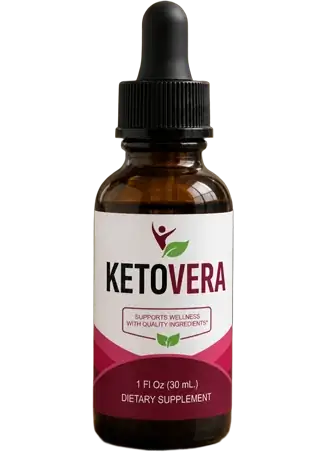
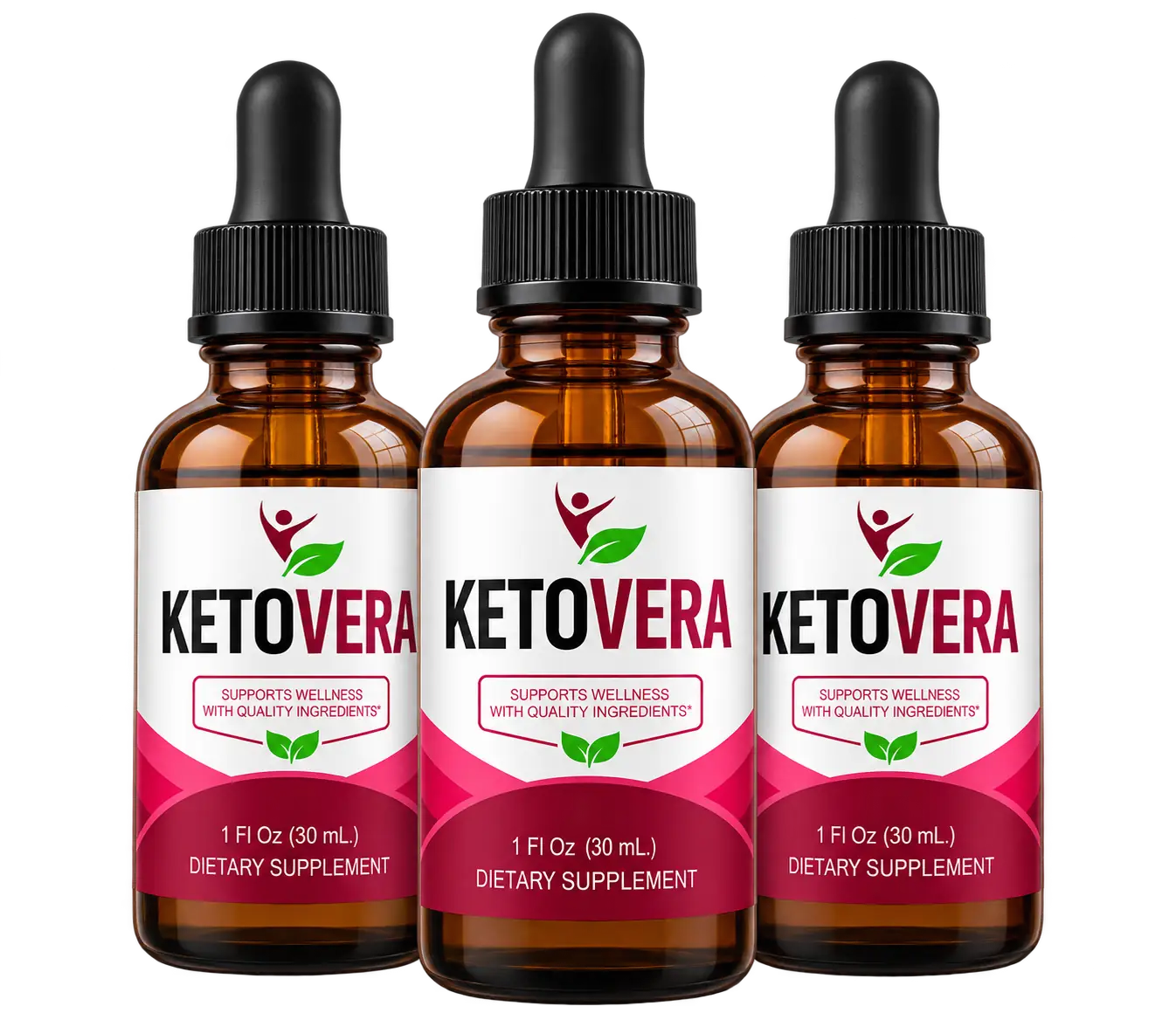
Green tea extract is one of several ingredients in KetoVera, included specifically for its studied role in metabolism support and its antioxidant profile. It's combined with other ingredients — including Gymnema Sylvestre and Guarana Seed Extract — that are each included for their own specific, traditionally studied roles, rather than green tea being expected to do all the work on its own. Because KetoVera is delivered as a sublingual liquid rather than a capsule, it's designed to be taken quickly each morning without needing to brew or measure anything.
Dosage and Timing: What the Research Typically Uses
Most clinical research on green tea extract uses doses standardized to a specific amount of EGCG, commonly in the range of 250–500mg of total catechins per day, often taken with food to reduce the chance of stomach upset. This is meaningfully more concentrated than what you'd typically get from a few cups of brewed tea, which is part of why extract-based supplements can offer a more consistent, research-aligned dose. As with any caffeine-containing ingredient, people who are sensitive to caffeine may want to be mindful of the total caffeine load in their day, including from other sources like coffee.
Green Tea Extract Compared to Other Gut-Supportive Ingredients
Green tea extract is far from the only ingredient studied for its relationship to gut and metabolic health, and it's helpful to see how it fits into the broader landscape:
- Fiber has the most robust, well-established research base for supporting a healthy gut microbiome — it's genuinely the foundation, with polyphenol-rich ingredients like green tea playing a complementary role.
- Fermented foods introduce live beneficial bacteria directly, whereas polyphenols like green tea catechins are thought to support the bacteria already present rather than adding new ones.
- Other polyphenol sources, such as berries and colorful vegetables, work through broadly similar mechanisms to green tea, which is part of why nutrition researchers often emphasize dietary variety over any single "hero" ingredient.
This context matters because it's easy for marketing to present any one ingredient as a standalone solution. Green tea extract earns its place in a well-formulated supplement because of a genuinely interesting research profile — but it works alongside diet and other habits, not instead of them.
Who Might Want to Be Cautious
Because green tea extract contains caffeine, people who are pregnant, nursing, sensitive to stimulants, or managing certain heart conditions should talk to a healthcare provider before adding a concentrated extract to their routine. Very high doses of green tea extract have, in rare cases, been associated with liver concerns in the research literature — another reason why sticking to standardized, research-aligned doses (rather than assuming "more is better") matters.
The Bottom Line
Green tea extract has a genuinely interesting research profile when it comes to gut health and metabolism — it's not hype-only. But it's also not a magic bullet. The most honest way to think about it is as one well-studied piece of a larger routine that includes diet, activity, sleep, and consistency over time.
Curious how Green Tea Extract fits into a full formula?
KetoVera pairs Green Tea Extract with eight other ingredients in one easy daily liquid.
See the Full Ingredient List →This article is for general informational purposes only and is not intended as medical advice. Always speak with a qualified healthcare provider before making changes to your diet or supplement routine.