If it feels like your body handles food differently than it did in your twenties, you're not imagining it. Metabolism does change with age — but the story is more nuanced than "it just slows down." Understanding what's actually happening gives you a much better shot at working with your body instead of fighting it.
What "Metabolism" Actually Means
Metabolism is simply the sum of every chemical process your body uses to convert food into energy. It's not one switch that gets flipped off with age — it's a combination of several separate systems, each of which shifts on its own timeline. The biggest single piece is your basal metabolic rate (BMR): the energy your body burns just keeping you alive at rest, before you've taken a single step.
On top of BMR sits the energy you burn digesting food, and the energy you burn through movement — both deliberate exercise and the smaller, often invisible fidgeting and posture-shifting researchers call non-exercise activity thermogenesis, or NEAT. All three pieces can change with age, but not always for the reasons people assume.
The Real Reasons Metabolism Shifts With Age
1. Muscle Mass Naturally Declines
Starting in your thirties, most adults gradually lose muscle mass — a process sometimes called sarcopenia — unless they actively work to maintain it through resistance training. Muscle tissue burns more energy at rest than fat tissue does, so as muscle mass drops, so does your baseline calorie burn. This is widely considered one of the largest contributors to a slower metabolic rate with age, and it's also one of the most within your control.
2. Hormonal Changes
For women, the hormonal shifts around perimenopause and menopause affect where the body stores fat and how efficiently it uses insulin, which can make weight management feel different than it did in earlier decades. For men, a gradual decline in testosterone can contribute to reduced muscle mass, which circles back to point one. These changes are normal, but they do mean the strategies that worked at 25 may need to be adjusted.
3. Activity Levels Quietly Decrease
This one is less biological and more circumstantial — but it matters enormously. Careers, caregiving, and simply less physically demanding daily routines mean many adults move meaningfully less at 45 than they did at 25, even without noticing the change happening. Because NEAT can account for a large share of daily calorie burn, small reductions in everyday movement add up over months and years.
4. Sleep Quality Often Declines
Sleep and metabolism are more connected than most people realize. Poor or shortened sleep is associated with changes in the hormones that regulate hunger and fullness — ghrelin and leptin — which can make appetite harder to manage the next day. Sleep difficulties become more common with age for a variety of reasons, which can create a knock-on effect on eating patterns.
What Actually Helps — In Order of Impact
Prioritize Resistance Training
If you take away one thing from this article, make it this: strength training is the single most direct way to counteract age-related muscle loss, and by extension, one of the most effective ways to support your resting metabolic rate. This doesn't require a gym membership — bodyweight exercises, resistance bands, or a couple of dumbbells at home are enough to get started. Two to three sessions a week, targeting all major muscle groups, is a reasonable starting point for most healthy adults.
Protect Your Protein Intake
Protein has a higher "thermic effect" than carbohydrates or fat, meaning your body burns more energy digesting it. It also supplies the building blocks your body needs to maintain (or build) muscle, especially when paired with resistance training. Many nutrition researchers suggest older adults may benefit from slightly higher protein intakes than younger adults to help offset natural muscle loss.
Don't Underestimate Daily Movement
You don't need a formal workout to move more. Taking calls while standing or walking, parking further away, taking the stairs, or simply setting an hourly reminder to stand up can meaningfully increase your NEAT over a week. Because this kind of movement is spread throughout the day, it's often easier to sustain long-term than an intense but occasional workout.
Treat Sleep as Part of Your Routine, Not an Afterthought
Aiming for a consistent sleep and wake time, limiting screens before bed, and keeping your bedroom cool and dark are simple, well-supported ways to improve sleep quality. Better sleep supports more stable hunger hormones the next day, which can make it easier to stick to your nutrition goals without feeling like you're constantly fighting cravings.
Support Your Routine With the Right Inputs
Diet quality still matters — but this doesn't need to mean restriction. Building meals around protein, fiber-rich vegetables, and whole foods, and paying attention to how much you're actually eating relative to your (now-likely-lower) baseline calorie needs, tends to matter more than any single "metabolism-boosting" food or trend. Some people also choose to add a daily supplement formulated with ingredients traditionally studied for metabolism and energy support, as one small piece of a broader routine — not a replacement for the habits above.
Metabolism isn't a switch that turns off at 40. It's a handful of separate systems, most of which respond well to the same handful of habits: move more, especially with resistance; eat enough protein; sleep consistently; and be patient with the process.
What Doesn't Actually Move the Needle Much
It's worth naming a few popular ideas that get more credit than the evidence supports. Extreme calorie restriction tends to backfire by making the body more efficient at conserving energy, which can make weight management harder over time, not easier. "Detox" teas and extreme fasting protocols aren't a substitute for the fundamentals above. And no single food, spice, or supplement will meaningfully move a slowing metabolism on its own — the habits that compound over months are what matter most.
How Much Does Metabolism Actually Slow Down?
It's worth putting real numbers to this, because the popular narrative often overstates the decline. Research tracking resting metabolic rate across adulthood generally finds it stays relatively stable through most of the thirties, forties, and fifties, with a more noticeable drop typically appearing after age 60. That doesn't mean nothing changes in your 40s — body composition shifts, activity often declines, and hormonal changes affect how your body partitions energy — but the idea of a dramatic metabolic cliff at 40 is more myth than measured reality. The practical takeaway is reassuring: the habits below have a real, meaningful effect, precisely because metabolism hasn't already "shut down."
A Simple Way to Track Progress Without Obsessing Over the Scale
Because so many of the changes described above involve body composition rather than just body weight, the scale alone can be a misleading progress marker — especially if you start resistance training and gain muscle while losing fat, which can leave total weight nearly unchanged even as your body composition improves meaningfully. A few more informative markers to track instead, or alongside the scale:
- How your clothes fit, particularly around the waist — a simple, low-effort proxy for body composition changes.
- Strength progress, such as the weight you can lift for a given exercise, which reflects whether resistance training is working.
- Energy levels and sleep quality, which often improve before visible body composition changes show up.
- A tape-measure waist circumference, checked monthly rather than daily, to smooth out normal day-to-day fluctuation.
Checking in every few weeks, rather than daily, also helps avoid the discouragement that comes from normal short-term weight fluctuation, which has far more to do with water retention and digestion than with actual fat loss or gain.
The Bottom Line
A slower metabolism after 40 is real in some respects, but it's driven by identifiable, largely modifiable factors — muscle mass, activity levels, sleep, and hormonal shifts — rather than some mysterious, unstoppable decline. Focusing your energy on resistance training, adequate protein, daily movement, and consistent sleep will do more for your metabolic health than any quick fix. Everything else, including a well-formulated daily supplement, works best as a supporting piece of that larger picture.
Looking for a simple daily habit to add to your routine?
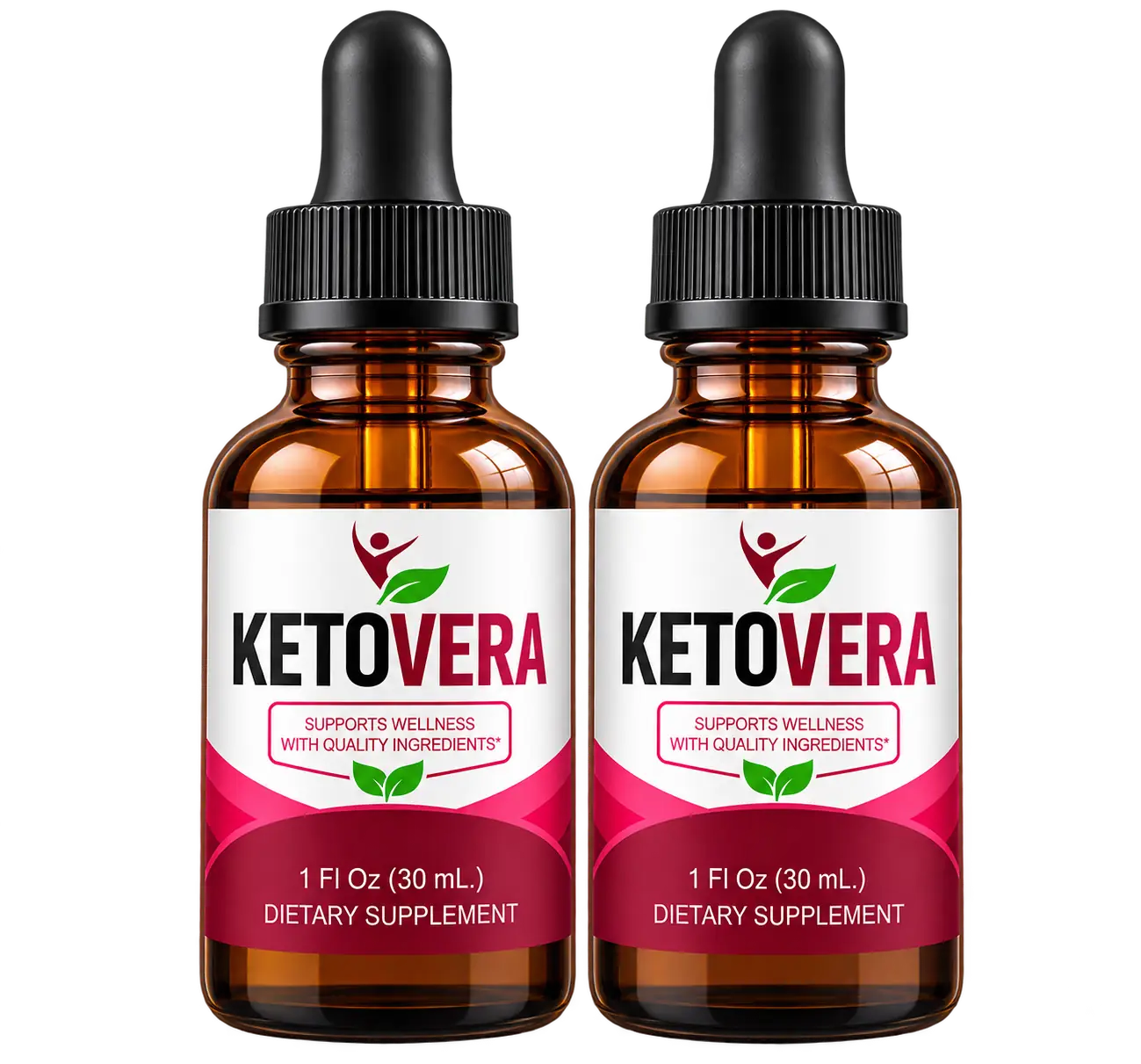
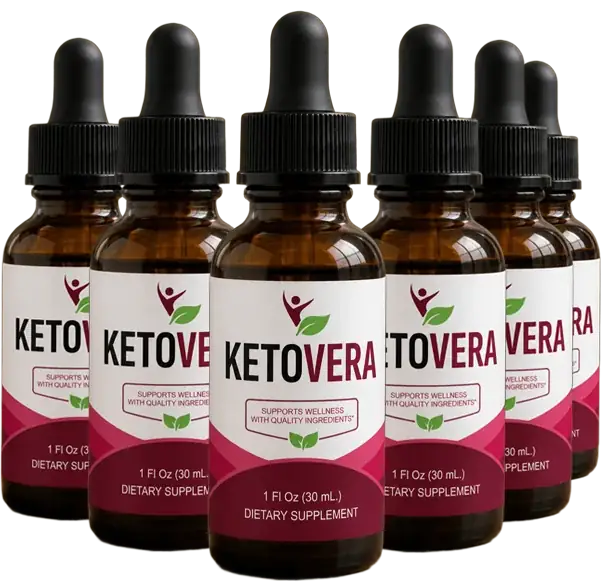
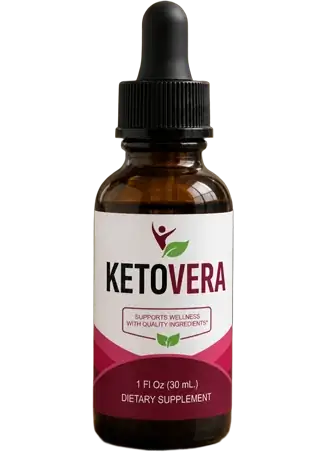
KetoVera combines nine ingredients traditionally studied for metabolism and energy support into an easy sublingual liquid.
See KetoVera Packages →This article is for general informational purposes only and is not intended as medical advice. Always speak with a qualified healthcare provider before making changes to your diet, exercise routine, or supplement regimen, particularly if you have an existing medical condition.