That mid-afternoon urge for something sweet isn't a willpower failure — it's often your body responding to a very specific, measurable chain of events involving blood sugar and hormones. Understanding that chain doesn't make cravings disappear, but it does make them a lot easier to work with instead of fighting blindly.
The Blood Sugar Rollercoaster, Explained
When you eat carbohydrates — especially refined ones like white bread, sugary drinks, or pastries — they're broken down into glucose and enter your bloodstream relatively quickly. Your pancreas responds by releasing insulin, a hormone that helps move glucose out of the blood and into your cells for energy or storage.
The problem arises with fast-digesting carbohydrates eaten on their own: they cause a sharp, rapid rise in blood sugar, which triggers a correspondingly large insulin response. That large insulin response can sometimes overshoot, pulling blood sugar down below a comfortable baseline within an hour or two. This dip — sometimes called reactive hypoglycemia in more pronounced cases — is exactly when cravings tend to hit hardest.
What's Actually Happening in Your Brain During a Craving
A blood sugar dip doesn't just create a vague sense of hunger — it specifically increases the drive for quick-energy foods, because your body is, in a very literal sense, looking for fast glucose to correct the dip. This is part of why cravings during a blood sugar dip are so often for something sweet or starchy, rather than, say, a craving for broccoli.
At the same time, low blood sugar can affect concentration and mood, which is why cravings often show up alongside irritability or a sense of mental fog — commonly (if informally) described as being "hangry."
The Hormones Behind Hunger
Beyond blood sugar itself, two hormones play a major role in how hungry — or full — you feel:
- Ghrelin is often called the "hunger hormone." It's released primarily by the stomach and rises before meals, signaling to your brain that it's time to eat. Ghrelin also tends to rise with poor sleep, which is one reason short sleep is linked to increased appetite.
- Leptin is often called the "fullness hormone." It's released by fat cells and signals to your brain that you have enough stored energy, helping to reduce appetite. Leptin signaling can become less effective in the context of poor sleep and certain dietary patterns, which may partly explain why fullness can feel harder to sense in some circumstances.
Why Cravings Cluster at Certain Times of Day
Mid-Afternoon (2–4 PM)
This is one of the most commonly reported craving windows, and it often lines up with the blood sugar dip following a carbohydrate-heavy lunch, combined with a natural dip in alertness that occurs for many people in the early-to-mid afternoon.
Late Evening
Evening cravings are frequently driven by a combination of accumulated decision fatigue (willpower genuinely does seem to deplete somewhat over the course of a demanding day), habitual snacking cues like watching TV, and — for some people — under-eating earlier in the day, which catches up in the evening.
Cravings driven by blood sugar dips aren't a character flaw — they're a physiological signal. The most effective response is usually preventing the dip in the first place, not white-knuckling through it after it's already happened.
Practical Strategies That Actually Address the Root Cause
Pair Carbohydrates With Protein, Fat, or Fiber
Eating carbohydrates alongside protein, healthy fat, or fiber slows the rate at which glucose enters your bloodstream, producing a gentler rise and a correspondingly gentler, more manageable dip afterward. Practically, this can be as simple as adding nut butter to an apple instead of eating the apple alone, or having whole-grain toast with eggs instead of toast on its own.
Don't Skip Meals to "Save Calories" for Later
Skipping meals often backfires by setting up a larger blood sugar swing at the next meal, along with stronger hunger signals that make portion control harder. Consistent meal timing tends to support steadier blood sugar throughout the day.
Prioritize Sleep
Because both ghrelin and leptin are affected by sleep quality, consistent, adequate sleep is one of the most underrated tools for craving management — arguably more impactful than most dietary tweaks on their own.
Stay Ahead of Thirst
Mild dehydration can sometimes be misread by the body as hunger. Keeping water intake consistent throughout the day is a simple, low-effort step that occasionally resolves what feels like a craving.
Where Ingredients Like Gymnema Sylvestre and Chromium Fit In
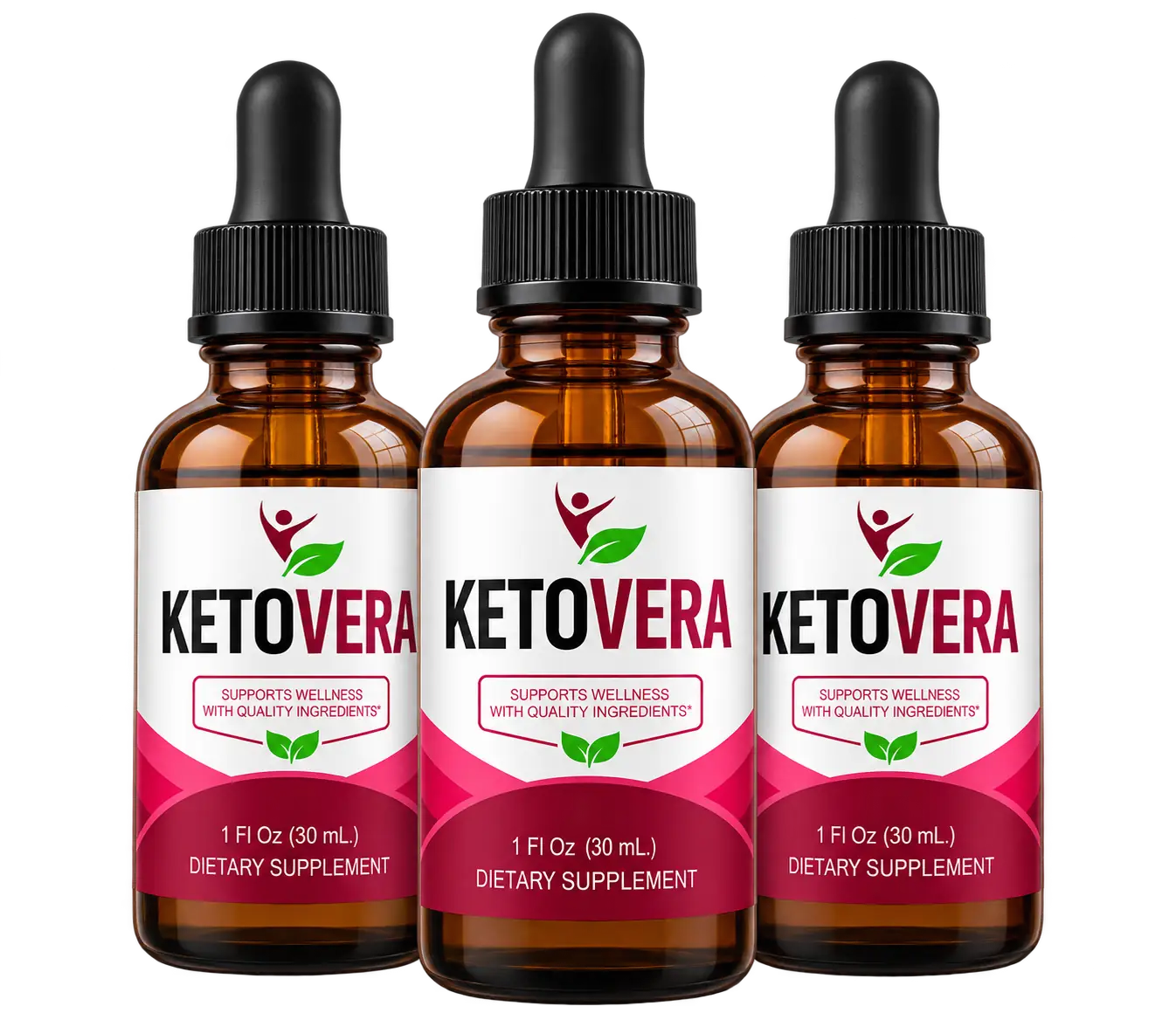
Some ingredients have a long history of traditional use specifically around blood sugar and craving support. Gymnema Sylvestre, an herb used in traditional Ayurvedic practice, has traditionally been associated with reducing the perceived sweetness of sugar and supporting healthy sugar-craving management. Chromium Picolinate, a trace mineral, has been studied for its role in supporting carbohydrate metabolism and already-healthy insulin sensitivity. Neither ingredient is a substitute for the habits above, but they're commonly included in metabolism-support formulas — including KetoVera — specifically because of this traditional and research-informed relevance.
The Glycemic Index: A Useful (If Imperfect) Tool
The glycemic index (GI) ranks carbohydrate-containing foods by how quickly they raise blood sugar compared to pure glucose. High-GI foods — white bread, white rice, most sugary snacks — tend to produce the sharp spike-and-dip pattern described above. Lower-GI foods, like most vegetables, legumes, and whole grains, tend to produce a gentler, more gradual rise and fall. GI isn't a perfect predictor on its own — portion size and what a food is eaten alongside both matter — but it's a genuinely useful mental framework for anticipating which foods are more likely to trigger a craving cycle a couple of hours later.
A Practical Way to Apply This: The "Plate Method"
Rather than tracking glycemic index numbers for every food, many nutrition professionals recommend a simpler visual approach: build most meals around roughly half non-starchy vegetables, a quarter protein, and a quarter carbohydrate (ideally a less-refined source like whole grains, beans, or starchy vegetables). This naturally slows glucose absorption through the fiber, protein, and fat present in the rest of the plate, without requiring any calculation.
When Cravings Might Signal Something Worth Discussing With a Doctor
Occasional cravings, especially in predictable windows like mid-afternoon, are a normal physiological pattern and not usually a cause for concern. However, very frequent or intense episodes of shakiness, dizziness, or urgent hunger — particularly if they happen regardless of what or when you last ate — are worth mentioning to a healthcare provider, since they can occasionally reflect an underlying blood sugar regulation issue that benefits from proper evaluation rather than self-management alone.
The Bottom Line
Cravings are rarely random. They're most often the downstream result of a blood sugar dip, a hunger-hormone shift, or both — frequently triggered by how (and when) your last meal was composed. Understanding this chain gives you several concrete, upstream places to intervene — pairing macronutrients thoughtfully, keeping meal timing consistent, and protecting your sleep — rather than relying on willpower alone in the moment a craving hits.
Looking for extra support with cravings?
KetoVera includes Gymnema Sylvestre and Chromium Picolinate as part of its nine-ingredient blend.
See the Full Ingredient List →This article is for general informational purposes only and is not intended as medical advice. If you experience frequent or severe blood sugar symptoms, speak with a qualified healthcare provider.