Walk down any supplement aisle and you'll still see capsules dominating the shelves. But liquid, sublingual-delivery supplements have been steadily gaining ground — and not just as a marketing trend. There's real physiology behind why some people, and some ingredients, may be better suited to drops than pills. Here's an honest look at how the two compare.
What "Sublingual" Actually Means
Sublingual simply means "under the tongue." The tissue under your tongue is thin and contains a dense network of tiny blood vessels sitting close to the surface. When a liquid is held there, some of its compounds can pass directly through this tissue into the bloodstream, rather than being swallowed and processed through the digestive system first.
The Journey a Capsule Has to Take
To understand why sublingual delivery is appealing, it helps to walk through what happens to a swallowed capsule:
- It has to survive stomach acid. Your stomach is a highly acidic environment, and some compounds can degrade before they ever reach the small intestine.
- The capsule shell has to dissolve. This takes time — anywhere from several minutes to over an hour, depending on the capsule type and what you've eaten.
- Nutrients have to be absorbed in the small intestine. This is where most nutrient absorption happens, but it depends on gut health, transit time, and what else is in your digestive tract.
- Absorbed compounds pass through the liver before reaching general circulation. Known as "first-pass metabolism," this process can break down or reduce the potency of certain compounds before they ever reach the rest of the body.
None of this makes capsules ineffective — the overwhelming majority of supplements on the market work perfectly well this way. But it does mean there are several points along the way where absorption can be reduced or delayed.
How Sublingual Delivery Is Different
When a liquid is absorbed through the tissue under the tongue, it can enter the bloodstream directly, bypassing the stomach, the initial pass through the small intestine, and first-pass liver metabolism for the portion that's absorbed this way. In theory, this offers two potential advantages:
- Speed. Compounds absorbed sublingually can enter circulation within minutes, rather than the 30–90+ minutes it often takes for a capsule's contents to become available.
- Less exposure to degradation. Some compounds are sensitive to stomach acid or are significantly reduced by liver metabolism. Sublingual delivery can allow a portion to reach the bloodstream without going through either process.
Where the Research Is Strongest — and Where It's Still Developing
Sublingual delivery is well-established in medicine for certain use cases — for example, sublingual tablets are a standard delivery method for some prescription medications specifically because speed and bypassing digestion matter clinically. For dietary supplements, the research is more mixed and ingredient-specific: some compounds are well-suited to sublingual absorption because of their molecular size and solubility, while others are absorbed similarly well either way. This is an active area of research, and it's reasonable to expect more ingredient-specific data over time.
Practical Advantages Beyond Absorption
Even setting aside the absorption question, liquid drops offer a few practical benefits worth mentioning:
- Dosing flexibility. A dropper allows for more precise, adjustable dosing than a fixed capsule size.
- Easier to take. For people who have difficulty swallowing pills, drops are a straightforward alternative.
- No shell, filler, or binder needed. Capsules require additional inactive ingredients to hold their shape; a liquid formula typically doesn't.
Which Types of Ingredients Tend to Benefit Most
Not every compound behaves the same way under the tongue. A few characteristics make an ingredient a better candidate for sublingual delivery:
- Small molecular size. Smaller molecules generally pass through the tissue under the tongue more readily than larger, more complex ones.
- Reasonable water or lipid solubility. Compounds that dissolve well tend to be absorbed more efficiently through mucous membranes.
- Sensitivity to stomach acid or first-pass liver metabolism. If a compound is known to lose significant potency during digestion, sublingual delivery offers a meaningful workaround.
Formulators generally consider these factors when deciding whether a liquid, sublingual format makes sense for a given blend, rather than assuming every ingredient benefits equally.
What to Look for in a Liquid Supplement
Not all liquid supplements are created equal. A few things worth checking before choosing one:
- Clear dosing instructions, including how long to hold the liquid under your tongue before swallowing (KetoVera recommends 60–90 seconds).
- A short, transparent ingredient list rather than a long list of unnecessary fillers.
- Manufacturing standards, such as production in a GMP-certified facility.
Sublingual delivery isn't a magic upgrade for every ingredient — but for a liquid, well-formulated blend, it offers a genuinely faster, simpler path into your system than a capsule sitting in your stomach.
How KetoVera Uses This Delivery Method
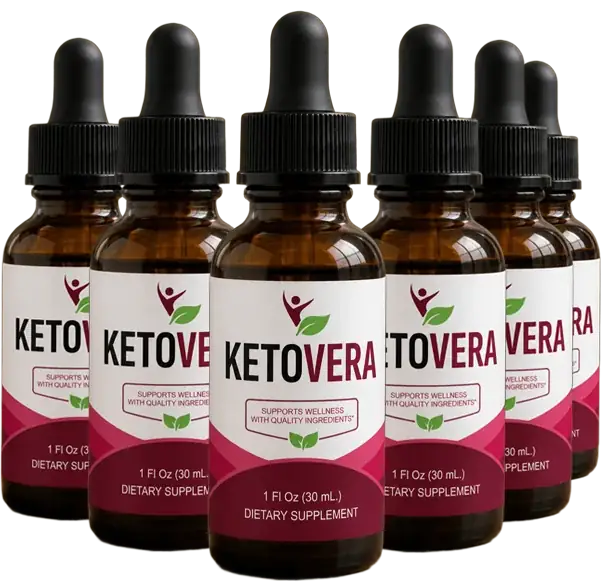
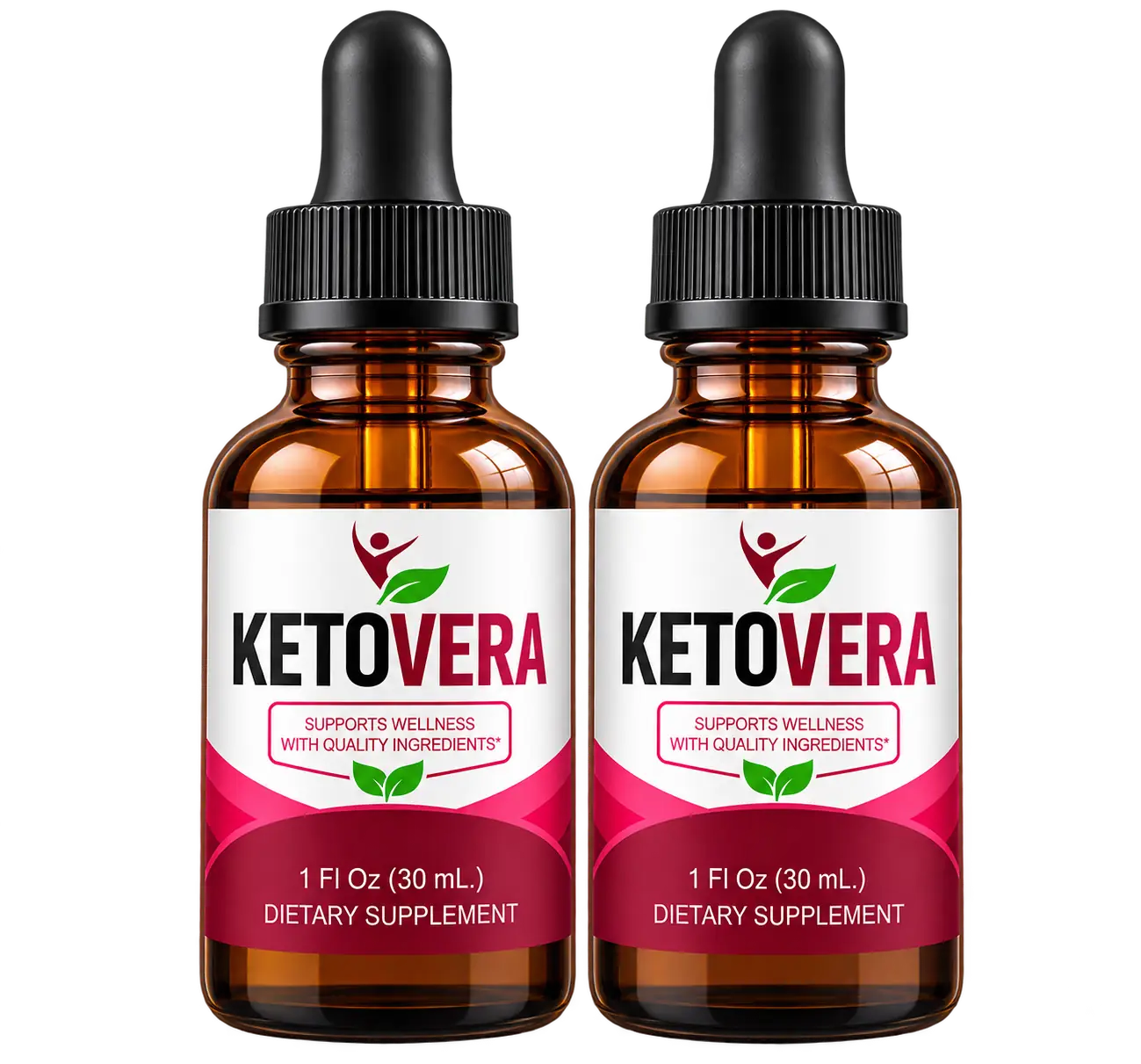
KetoVera is formulated as a liquid specifically so its nine ingredients — including Chromium Picolinate, African Mango Extract, and L-Carnitine — can be taken sublingually rather than swallowed as a capsule. The recommended routine is simple: fill the dropper to 1ml, place the drops under your tongue, hold for 60–90 seconds, then swallow. No water needed, no capsule to break down first.
A Side-by-Side Comparison
| Factor | Capsules | Sublingual Drops |
|---|---|---|
| Typical time to feel taken | 30–90+ minutes | Minutes, for the sublingually absorbed portion |
| Exposure to stomach acid | Full exposure | Reduced, for the portion absorbed under the tongue |
| Dosing flexibility | Fixed per capsule | Adjustable via dropper |
| Convenience | Swallow with water | No water needed |
| Best suited for | Ingredients that survive digestion well | Ingredients that benefit from bypassing digestion |
Common Misconceptions Worth Clearing Up
"Sublingual Means 100% of the Dose Skips Digestion"
Not quite. In practice, some portion of any liquid held under the tongue is inevitably swallowed and processed the traditional way, especially if it isn't held for the full recommended time. The benefit of sublingual delivery comes from the portion that is absorbed directly — which is why following the hold-time instructions (60–90 seconds, in KetoVera's case) actually matters, rather than being an arbitrary suggestion.
"If a Little Is Good, Holding It Longer Is Always Better"
Manufacturers typically test and recommend a specific hold time based on the formula's absorption profile. Holding well beyond the recommended window doesn't necessarily improve results and mostly just adds inconvenience — following the label's guidance is the simplest, most reliable approach.
"Capsules Are Outdated"
Not at all — capsules remain an excellent, well-studied delivery method for the vast majority of supplement ingredients, particularly those that are well-absorbed in the small intestine or are more stable in a solid form. Sublingual delivery is a useful alternative for certain formulas and certain users, not a universal upgrade.
The Bottom Line
Sublingual drops and capsules are both legitimate delivery methods, and the "better" choice depends on the ingredients involved and your personal preference. What sublingual delivery does offer, when formulated well and used as directed, is a faster and more direct route into your system — which is exactly why liquid formulas like KetoVera have become a popular alternative to traditional capsules.
Ready to try a liquid, sublingual formula?
KetoVera is a nine-ingredient blend designed to be taken in seconds, once a day.
See How It Works →This article is for general informational purposes only and is not intended as medical advice. Always speak with a qualified healthcare provider about the delivery method and supplements that are right for you.